
The main effect of excessive sodium intake is high blood pressure, which increases the risk of cardiovascular disease, stomach cancer, obesity, osteoporosis, Ménière’s disease, and kidney disease.
The World Health Organization (WHO) estimates that 1.89 million deaths per year are associated with excessive sodium intake. The average sodium intake for adults worldwide is 4.31 grams per day, while the recommendation is to consume less than 2 grams of sodium per day.
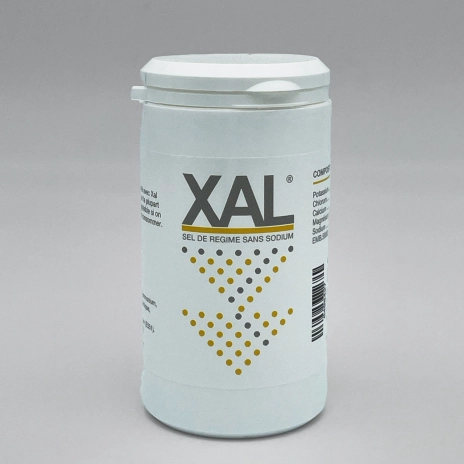
To reduce sodium intake, the WHO suggests replacing regular table salt with a low-sodium salt substitute.
Increasing potassium intake can help mitigate the negative effects of high sodium consumption, lower blood pressure, and have beneficial effects on bone mineral density. This nutrient is found in unrefined foods, particularly fruits and vegetables.
The WHO recommends a potassium intake of at least 90 mmol/day (3,510 mg/day) for adults and adjusting this minimum intake downward for children aged 2 to 15, based on age-specific energy requirements.