
The main effect of excessive sodium intake is high blood pressure, which increases the risk of cardiovascular disease, stomach cancer, obesity, osteoporosis, Ménière’s disease, and kidney disease.
The World Health Organization (WHO) estimates that 1.89 million deaths per year are associated with excessive sodium intake. The average sodium intake for adults worldwide is 4.31 g per day, while the recommendation is to consume less than 2 g of sodium per day.
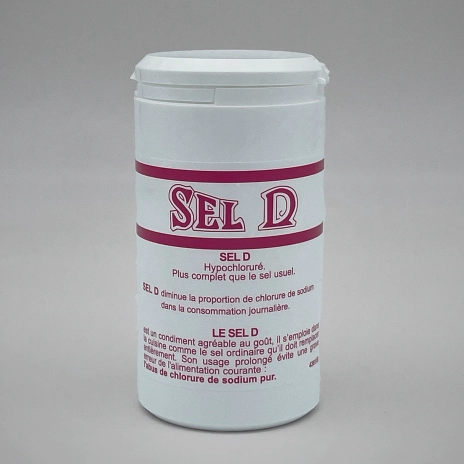
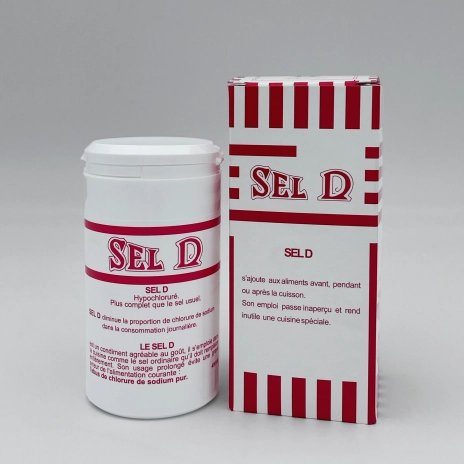
To reduce sodium intake, the WHO suggests replacing regular table salt with a low-sodium salt substitute.
It is estimated that 1.88 billion people worldwide are at risk of insufficient iodine intake and that approximately one-third of the global population lives in areas with iodine deficiency. Iodine deficiency can lead to health problems as well as learning disabilities in children.
To combat disorders caused by iodine deficiency, the WHO recommends using iodized salt.